Building a Supply Chain for Cultural Continuity
- Abigail Teka
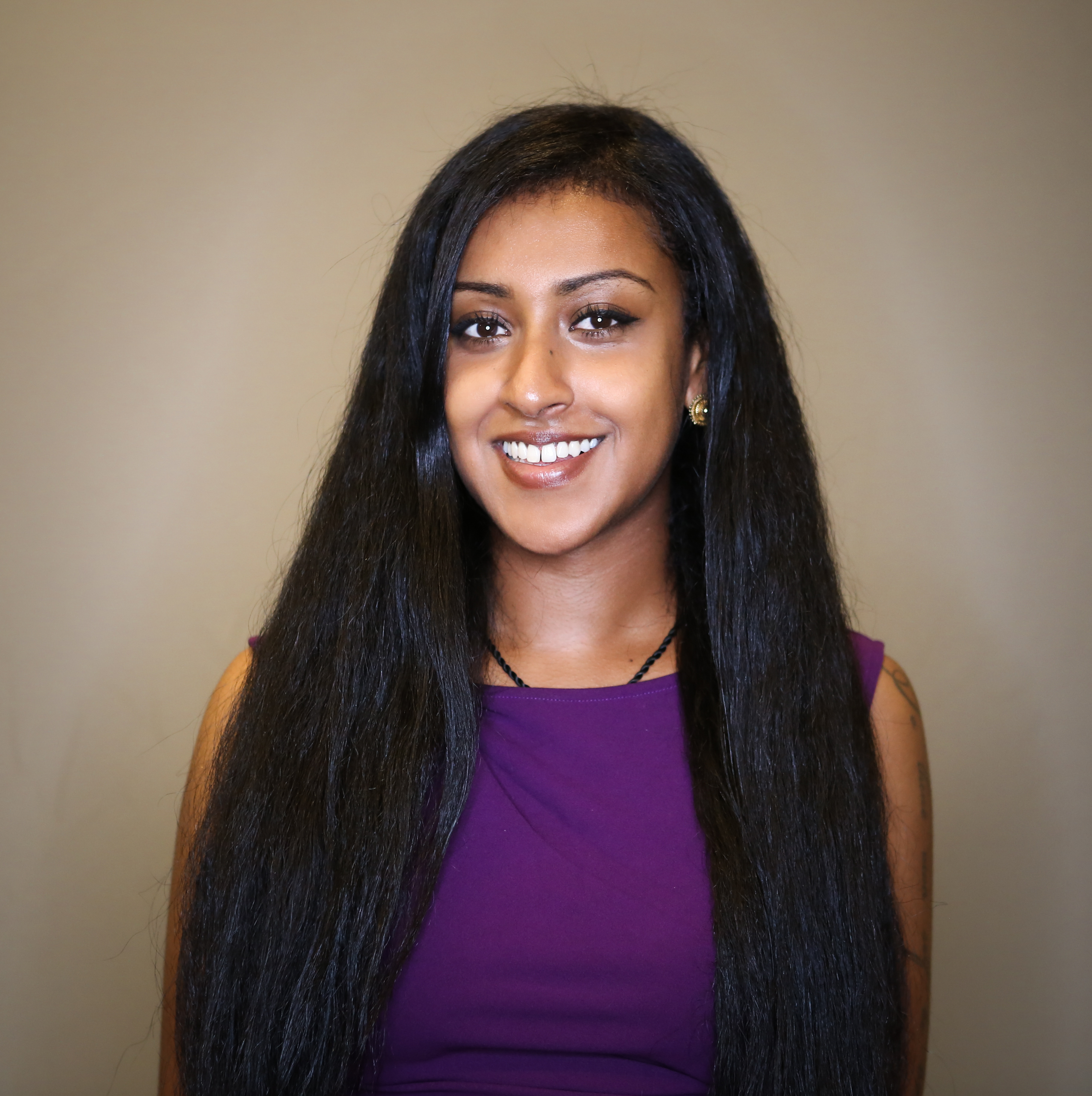
- Feb 26
- 5 min read
Updated: Apr 16
10 years ago, I started a blog called New Media & Social Change to write about the social issues around me and the geopolitical shifts unfolding across the world. Each week, I chose a topic and examined it through a sociopolitical, socioeconomic, or sociocultural lens to refine my thinking. The first article I published in 2016, Unearthed Without a Seed, focused on the homelessness crisis in Santa Cruz, California, where I lived.
At the time, I regularly interacted with the local unhoused community while working at an international hostel. The hostel had policies that barred locals and transient populations from staying there, largely to protect the experience of international guests. Yet the crisis was pervasive and impossible for anyone to ignore.
I remember travelers from Germany and Switzerland expressing shock that this coastal beach town in the U.S., a country they pictured as fully developed and stable, could resemble a “third world” country. Their shock sparked an important question. How could so much comfort exist beside so much precarity and be treated as normal? I saw the divide daily as I rode my bike along West Cliff, passing multimillion dollar homes in sharp contrast to the tent communities downtown just 12 minutes away. The short distance felt like an indictment of what we collectively choose to tolerate.
As friends engaged with my writing, we debated causes and solutions to homelessness. We could name the patterns but naming them did not change anything. I volunteered at the Homeless Garden Project to understand the issue more deeply and began to grasp what holistic solutions could look like. The organization provides job training, transitional employment, and support services to people experiencing homelessness, while also cultivating organic produce and goods sold to local restaurants and online. They built pathways out of homelessness, strengthened local food systems, and continue to connect people across social classes through environmental stewardship.
That experience shifted my mindset from observation to participation and made me curious about what social change looks like when it is built into business models rather than treated as charity.
During my solo travels in 2019, I joined a Changemaker walking tour in Berlin, Germany hosted by ByHeartProjects. Other travelers and I learned about the United Nations Sustainable Development Goals and explored local sustainable businesses founded by social entrepreneurs including Ecosia, Conflictfood, Supermarche, and more. I left that experience with the sense that values can be engineered into supply chains, not only into mission statements and slogans.
It was the first time I learned of Muhammad Yunus, a Bangladeshi economist and recipient of the 2006 Nobel Peace Prize, widely regarded as a pioneer of social enterprise. Through Grameen Bank, Yunus demonstrated that low income borrowers are creditworthy, challenging long standing assumptions within traditional finance. The microfinance model Grameen Bank popularized has been replicated across more than 100 countries, helping legitimize access to finance as a tool for dignity and poverty reduction.
That shift correlated with broader financial inclusion development across the Global South, including the rise of fintech in Africa, where mobile money and digital financial services expanded access beyond traditional banking systems. Platforms like M-PESA made it easier for people to save and transact, while later digital lending layers extended access to credit. When access exists, participation becomes possible, and dignity becomes harder to gatekeep. This clarified for me that social change is strongest when values are baked into infrastructure.
In 2020, Tigray, the region where both of my parents were born and raised, where much of my extended family and friends live, was engulfed by war. The violence included horrific massacres, with deaths of over 600,000 and widespread sexual violence affecting more than 100,000 women, men, and children. The scale and depth of civilian targeting and cruelty were beyond anything I imagined possible.
For over 2 years, the region had no internet access and faced severe shortages of food and basic necessities, cut off from the rest of the world. This time period exposed the limits of international institutions and global governance to uphold the tenets of human rights and to protect innocent lives. I worked alongside NGOs and advocacy groups to mobilize for the human rights of those caught in the crossfire.
When the siege ended and I could speak to my loved ones again, hearing their voices was bittersweet, because it meant they were alive, but it also came with a clearer understanding of everything that had been destroyed. I felt an urgent need to preserve what war can erase forever. Tigray is an ancient place with deep continuity, and many families like mine who are native to the land can trace our lineages back at least 6 generations.
As law and order collapsed, countless ancient manuscripts were looted and many later found up for sale on eBay, while other priceless cultural artifacts were stolen from churches, monasteries, and museums. The Al Nejashi Mosque, often cited as one of the earliest mosques in Africa, was damaged, and other heritage sites were targeted. Wars shape how history is written and what survives for future generations materially and spiritually.
When keepers of oral tradition and cultural stewards are harmed or displaced, identity fractures and cultural dilution typically follow. Erasure does not only happen through death. It happens through disappearance, dispersal, and the quiet theft of what anchors a people to their own story.
After the Pretoria Agreement was signed, Tigrayans depended on support from family in the diaspora and international aid. Even when active fighting stopped, hundreds of thousands faced famine conditions. I continued working with NGO's, but others and I kept asking what recovery looks like if a region can only survive through intermittent aid. I began to question what “help” means if it cannot be relied on, and what rebuilding means if it is always conditional. I struggled to see direct, widespread, measurable relief reaching the people who needed it most.
In 2022, I established Mekhoni Hair, a heritage hair care company built with the purpose of preserving the ancient hair care traditions of Raya Azebo where my family is from, bring those products and traditions to a global market safely and responsibly, and reinvest in the indigenous communities the company represents.
With my first product launch in 2023, I sold hair oils, met revenue goals, and donated 100% of net profits to an impact project I led based on needs assessments from 5 schools in Mekhoni. My team provided brand new blackboards, desktop computers, printers and copiers, and stationery materials, serving 6,000 students.
That experience was affirming but it also made something undeniable. Donating 100% net profits is not a sustainable business model. I began searching for a model where preservation was not an occasional act, but embedded commitments within a system. I came to accept that if I am to be a conduit for preservation and the long-lasting systemic change I care deeply about, I have to address my knowledge gaps and invest in myself first.
I parted ways with my corporate job and enrolled in graduate school. I am planning a visit to Ethiopia to document the process of building my supply chain, even as Tigray and other regions face the threat of renewed conflict.
Some may see it as impractical, or too risky, to build parts of my value chain in volatile regions. It is true that peace is unpredictable and outside my control, but I believe the greater risk is failing to preserve what remains, or worse, not trying.


Comments